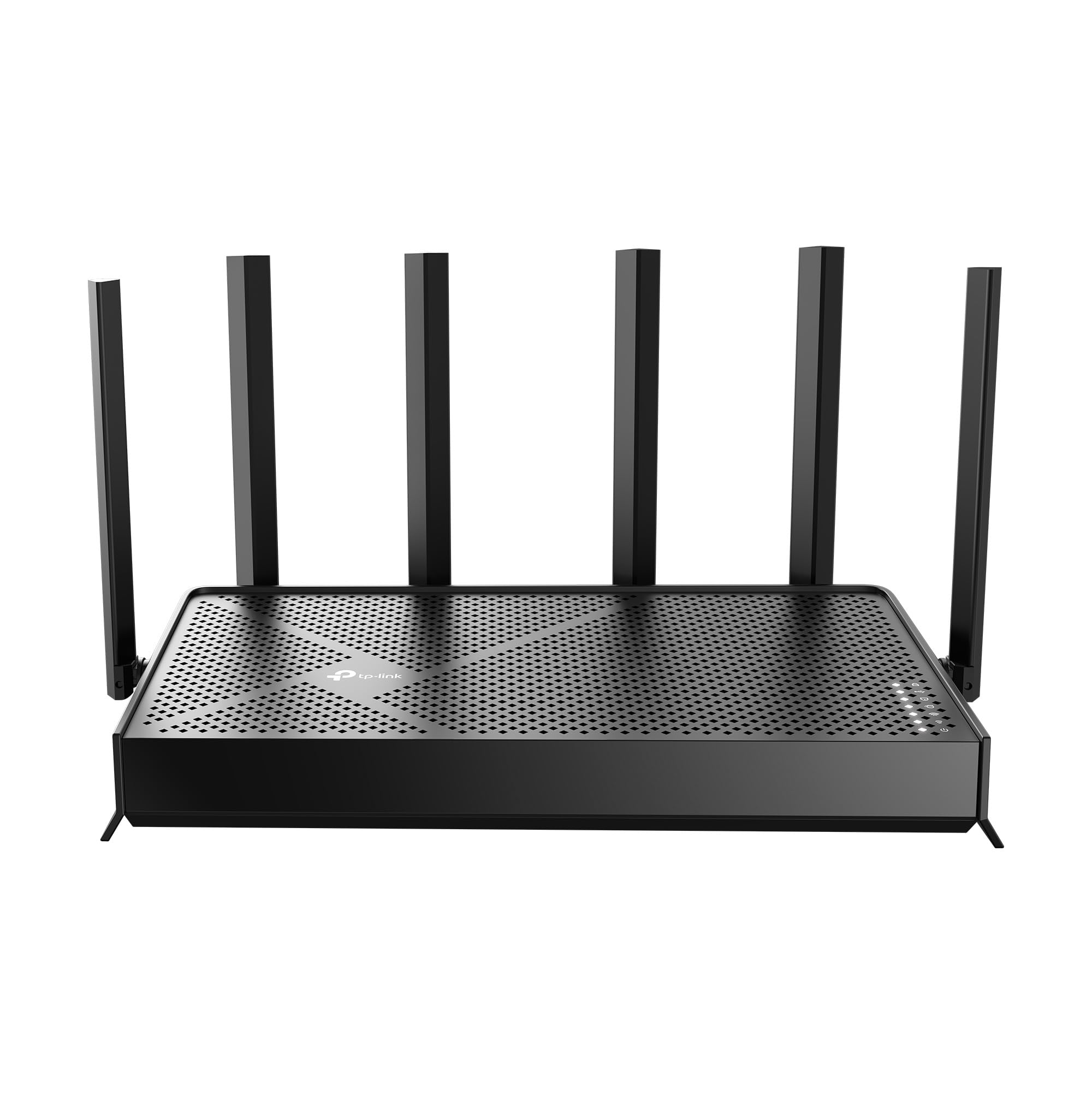
The TP-Link Tri-Band BE9700 WiFi 7 Router review centers on the Archer BE600, a tri-band router with a 6 GHz band, Wi-Fi 7 features, and several multi-gig Ethernet ports.
It is aimed at homes that can use those newer wireless and wired connections, while its coverage and device figures should be treated as design targets rather than guarantees for every layout.
Archer BE600 Review Summary
The quick verdict
600+ ratings
Read Amazon ReviewsTP-Link Archer BE600
A feature-rich router for households with Wi-Fi 7 devices, multi-gig internet, and several wired connections to support.
- Tri-band Wi-Fi 7 with listed maximum band rates of up to 5,765 Mbps on 6 GHz, 2,882 Mbps on 5 GHz, and 1,032 Mbps on 2.4 GHz.
- Supports Multi-Link Operation, Multi-RUs, 4K-QAM, and channels up to 320 MHz for compatible Wi-Fi 7 devices.
- Wired ports include one 10 Gbps WAN/LAN port, one 2.5 Gbps WAN/LAN port, and three 2.5 Gbps LAN ports.
- Six antennas and beamforming accompany a stated coverage target of up to 2,600 square feet and support for up to 120 devices.

Pros
- The 6 GHz band and Wi-Fi 7 features provide a clear upgrade path for compatible newer devices.
- Five multi-gig ports, including three 2.5 Gbps LAN ports, offer flexibility for wired equipment.
Consider before buying
- Taking advantage of Wi-Fi 7 and 6 GHz requires compatible client devices; older equipment will not use all of the router’s newer features.
- The listed top speeds and coverage are maximum or target figures, and real results depend on the home, placement, interference, and client capabilities.
Read the full review summary
The Archer BE600’s appeal is its combination of tri-band Wi-Fi 7 and a practical set of multi-gig ports: a 10 Gbps WAN/LAN port, a 2.5 Gbps WAN/LAN port, and three 2.5 Gbps LAN ports.
That gives buyers room to connect a multi-gig modem and multiple wired devices without relying entirely on Wi-Fi.
Its listed band rates reach 5,765 Mbps on 6 GHz, 2,882 Mbps on 5 GHz, and 1,032 Mbps on 2.4 GHz, with actual connection speeds depending on compatible equipment and conditions.
This model makes the most sense for a household planning around Wi-Fi 7 clients, faster-than-gigabit internet, and wired computers, consoles, or network equipment.
Six antennas, beamforming, and a stated coverage target of up to 2,600 square feet speak to broader home use, but walls and placement still matter.
Buyers with basic internet needs or mostly older Wi-Fi devices may have little reason to pay for this level of connectivity.
The buying factors
Archer BE600 Scorecard
Editorial scores reflect listed features and buyer fit; they are not laboratory measurements or customer ratings.
Wi-Fi 7 capability
Includes MLO, Multi-RUs, 4K-QAM, and support for channels up to 320 MHz, suited to compatible Wi-Fi 7 clients.
Tri-band flexibility
Provides 2.4, 5, and 6 GHz bands, allowing supported devices to use the additional 6 GHz band.
Multi-gig wired connections
The combination of one 10 Gbps, one 2.5 Gbps WAN/LAN, and three 2.5 Gbps LAN ports supports several fast wired links.
Whole-home design
Six antennas and beamforming are paired with a stated coverage target up to 2,600 square feet; home construction and layout can affect reach.
Network management and security tools
Tether app or web management, HomeShield features, and VPN client and server support add useful control options.
Value for basic setups
Its newer wireless standard and multi-gig ports can be more capability than a modest internet plan and older clients can use.
Key Features and Specifications of Archer BE600
- Tri-band Wi-Fi 7 with listed maximum band rates of up to 5,765 Mbps on 6 GHz, 2,882 Mbps on 5 GHz, and 1,032 Mbps on 2.4 GHz.
- Supports Multi-Link Operation, Multi-RUs, 4K-QAM, and channels up to 320 MHz for compatible Wi-Fi 7 devices.
- Wired ports include one 10 Gbps WAN/LAN port, one 2.5 Gbps WAN/LAN port, and three 2.5 Gbps LAN ports.
- Six antennas and beamforming accompany a stated coverage target of up to 2,600 square feet and support for up to 120 devices.
- HomeShield offers network protection, parental control, and IoT security features.
- VPN client and server support is included, alongside setup and management through the Tether app or a web interface.
Pros and Cons of Archer BE600
Pros
- The 6 GHz band and Wi-Fi 7 features provide a clear upgrade path for compatible newer devices.
- Five multi-gig ports, including three 2.5 Gbps LAN ports, offer flexibility for wired equipment.
- VPN support and HomeShield tools add options for managing network access and connected devices.
- Setup and ongoing management can be handled through either an app or a web interface.
Consider before buying
- Taking advantage of Wi-Fi 7 and 6 GHz requires compatible client devices; older equipment will not use all of the router’s newer features.
- The listed top speeds and coverage are maximum or target figures, and real results depend on the home, placement, interference, and client capabilities.
- The five multi-gig ports may be unnecessary for households with only gigabit or slower wired equipment.
Who Should Buy Archer BE600?
Good fit
Consider the Archer BE600 if you are building a multi-gig home network and want both fast wireless options and several high-speed wired connections.
Its 10 Gbps port can suit a compatible multi-gig connection, while the three 2.5 Gbps LAN ports leave capacity for multiple wired devices.
It is also a reasonable fit if you expect to add Wi-Fi 7 devices over time.
MLO, Multi-RUs, 4K-QAM, and support for channels up to 320 MHz are features designed for that generation, while tri-band operation also gives the router 2.4 and 5 GHz bands for the broader device mix.
Before buying, map your internet service and wired equipment to the port layout, and check whether your current or planned clients support the Wi-Fi features you value.
For a larger or segmented home, plan the router’s position and verify coverage in the areas that matter rather than relying on the maximum area figure alone.
Who should skip it
Skip this level of router if your internet plan and wired devices are limited to basic gigabit connections and your current Wi-Fi works well.
The multi-gig ports and Wi-Fi 7 features may offer little practical benefit until your devices and service can use them.
Look elsewhere if your priority is a guaranteed signal in every room. The stated coverage is a target, and the product details do not establish how it will perform in a particular floor plan or through its walls.
What the Archer BE600 Means for a Multi-Gig Home
Wi-Fi 7 and the 6 GHz band
The BE600’s tri-band design adds 6 GHz alongside the familiar 5 GHz and 2.4 GHz bands.
Its Wi-Fi 7 feature set includes MLO, Multi-RUs, 4K-QAM, and channels up to 320 MHz; these capabilities matter most when client devices support them.
A mixed-age household can still use the router, but the newest features are not a blanket speed boost for every phone, computer, or smart device.
Port selection for wired gear
Port capacity is a strong practical reason to choose this router. The 10 Gbps WAN/LAN and 2.5 Gbps WAN/LAN ports provide options for the internet connection, while three dedicated 2.5 Gbps LAN ports can serve compatible wired gear.
Check your modem, service tier, and devices before buying: a fast port only helps where the rest of the connection supports it.
Coverage and device capacity
Six antennas and beamforming are intended to direct wireless signals toward devices, and the product gives a coverage target of up to 2,600 square feet and support for up to 120 devices.
Those figures can help frame the intended scale, but do not predict the experience in a specific home. Building materials, router location, competing signals, and the devices themselves all shape usable coverage.
Management, VPN, and HomeShield
Tether app and web access give buyers two ways to configure and manage the network. The described HomeShield features include network protection, parental controls, and IoT security; VPN client and server support adds flexibility for VPN use.
Buyers who depend on particular controls or VPN configurations should confirm that the available options meet their needs before switching routers.
Alternatives to Archer BE600
Computer Routers alternative
5,000+ ratings
Read Amazon ReviewsTP-Link Archer AXE75
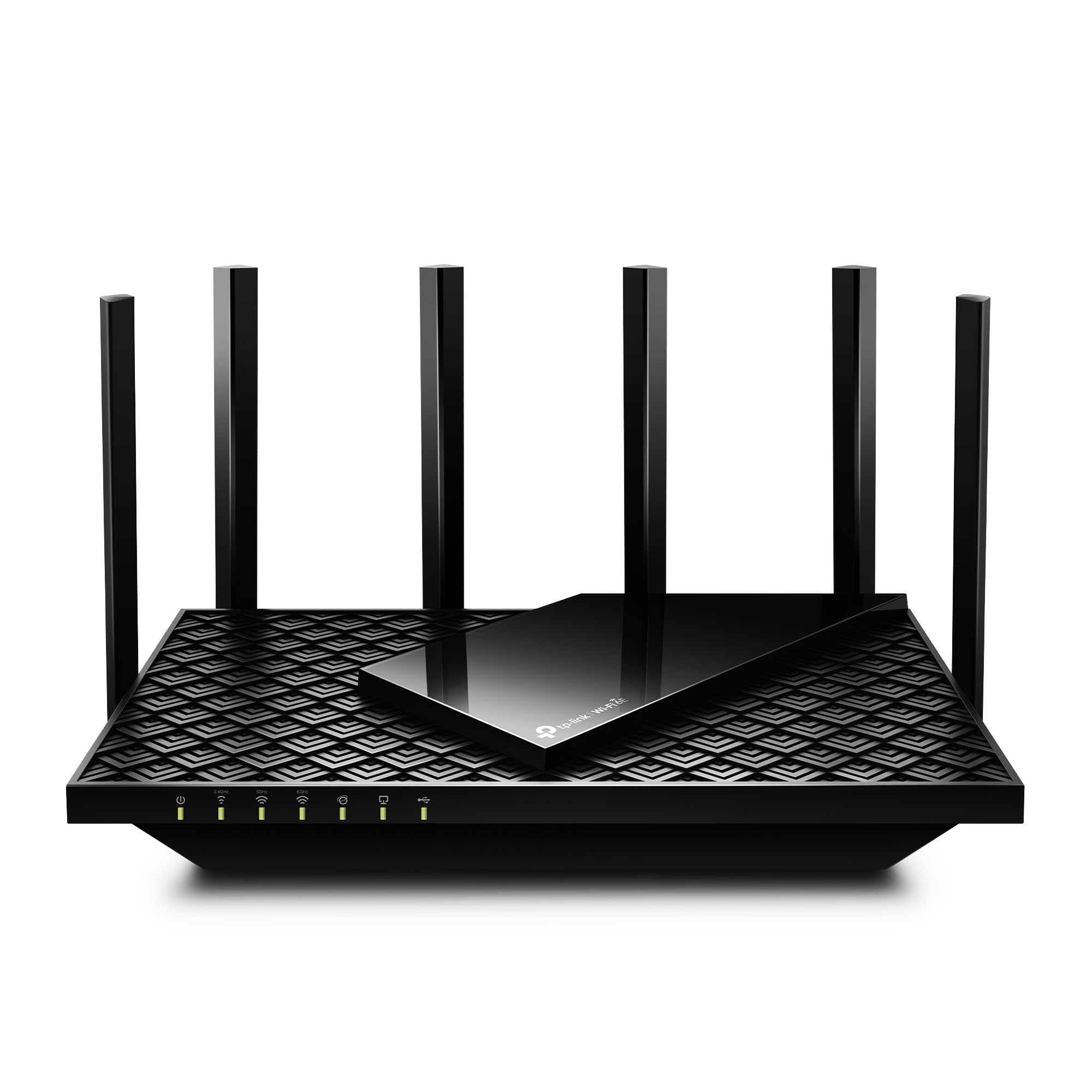
Choose the BE600 if Wi-Fi 7 and multiple multi-gig wired connections are priorities. The AXE75 is a fit to consider if Wi-Fi 6E meets your needs and you value the option of expanding coverage with a OneMesh extender.
- The Archer AXE75 is a tri-band Wi-Fi 6E router with a 6 GHz band, a 2.5 Gbps WAN port, and OneMesh support with a compatible extender.
- The Archer BE600 combines Wi-Fi 7 tri-band operation with a 10 Gbps port and three 2.5 Gbps LAN ports.
Computer Routers alternative
1,000+ ratings
Read Amazon ReviewsTP-Link Archer BE230
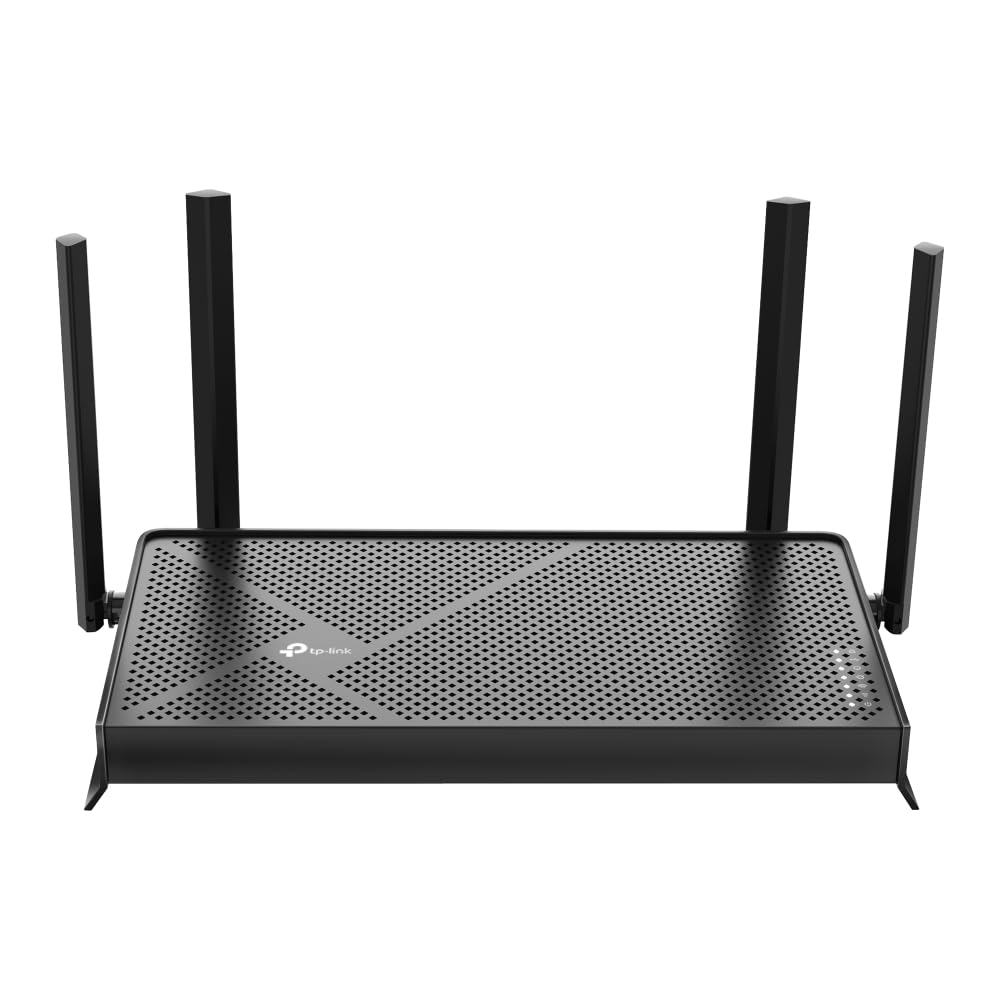
The BE230 may suit a buyer who wants Wi-Fi 7 and EasyMesh expansion without needing a 6 GHz band or several multi-gig LAN ports.
Favor the BE600 when tri-band operation and its larger multi-gig port selection better match your devices and network plan.
- The Archer BE230 is a dual-band Wi-Fi 7 router with up to 2,882 Mbps on 5 GHz and 688 Mbps on 2.4 GHz, two 2.5 Gbps ports, three 1 Gbps LAN ports, and EasyMesh support.
- The Archer BE600 offers tri-band Wi-Fi 7, including 6 GHz, and more 2.5 Gbps LAN capacity.
Is Archer BE600 Worth It?
The TP-Link Archer BE600 is worth considering for a home that can use Wi-Fi 7, tri-band access, and multiple multi-gig wired connections.
Its generous port selection and included network-management options make it a capable centerpiece for a growing setup.
Buy it when those capabilities solve a current need or support a clear upgrade plan.
If your devices and internet service cannot make use of the 6 GHz band or multi-gig connections, a simpler router may be a better fit; treat the coverage and speed figures as ceilings or targets, not a promise for your home.
Your review at a glance
600+ ratings
Read Amazon ReviewsTP-Link Archer BE600
A feature-rich router for households with Wi-Fi 7 devices, multi-gig internet, and several wired connections to support.
- Tri-band Wi-Fi 7 with listed maximum band rates of up to 5,765 Mbps on 6 GHz, 2,882 Mbps on 5 GHz, and 1,032 Mbps on 2.4 GHz.
- Supports Multi-Link Operation, Multi-RUs, 4K-QAM, and channels up to 320 MHz for compatible Wi-Fi 7 devices.
- Wired ports include one 10 Gbps WAN/LAN port, one 2.5 Gbps WAN/LAN port, and three 2.5 Gbps LAN ports.
- Six antennas and beamforming accompany a stated coverage target of up to 2,600 square feet and support for up to 120 devices.